Cleaning tips, tricks and frequnelty asked questions.
As kiwi's, DIY is in our DNA. When the opportunity arises to save some money we all fancy ourselves as builders, plumbers, painters and sometimes carpet cleaners. 'I reckon i could do that myself and save some coin' some might say. I've certainly been there before with varying levels of results. Some where money saving triumphs, others, a waste of a weekend only to end up calling in a professional to amend my mistakes.
Carpet cleaning is one of those services that many people think of as 'I reckon i could do that myself'. Hire yourself a rental machine for 4 hours, purchase some proprietary chemicals and you're off! Sure, by going ahead with this method you are cleaning your carpets to some degree, however it can not be classed as a 'deep clean'. The way these rental or home use machines work is by mechanically agitating chemicals into the carpet and sucking up some of the moisture in one foul swoop. Often leaving behind far too much moisture and cleaning solution residue, the suction on these machines is not sufficient enough to pull out the amount of moisture it's putting in. Over wetting is the number one thing that causes damage to carpets. Foul odors being released, brown stains coming up from hessian backing, all from being too wet for too long.
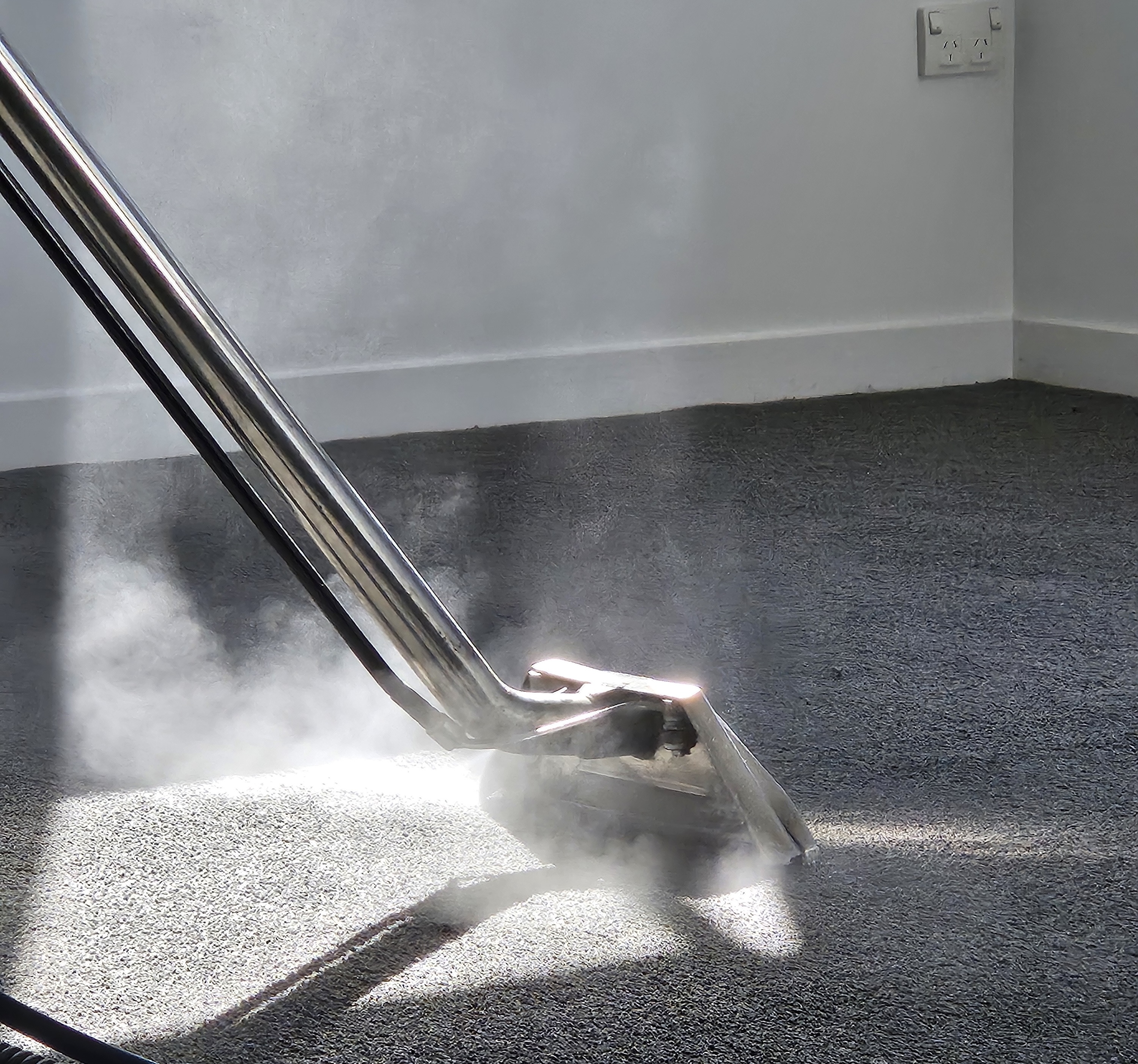
A professional carpet cleaner will usually use a hot water extraction method clean via either a truck mounted or portable system depending on the access to the location. These machines heat up water mixed with specialized extraction chemicals, the solution is then pushed through a high pressure hose to the carpet cleaning wand where the hot water is blasted out of tiny jets. This kicks up deeply imbedded dirt and soils right down to the carpets backing. Just in front of the jets sits the vacuum slot. The same wand sucks up all that dirt, soil and moisture back to the recovery tank of the machine, leaving the carpet completely sanitized and clean. A professional clean leaves your carpets sanitized, deodorized and completely clean, with your space ready to be re-inhabited after a short drying time. Unfortunately the same cant be said for DIY or rental machines.
Cost is also an important thing to consider. For the most common rental brand in NZ, you'll be spending at least $82 + 3-4 hours of labor to clean a 3 bedroom home, in most cases the carpets won't be for 24hrs. A professional deep clean of the same area will cost you about $150 with your carpets being dry in only a few hours. If you've got the time on your hands to do the work, need to save some money and aren't worried about achieving a deep clean or sanitary finish, then the rental option may be right for you. If you're after a thorough deep clean with no hassles or hard work, I reckon the extra $68 dollars spent on a professional clean is great value.
- Ben Allison
First things first, it's important to understand what a stain is and not to get these confused with 'spots'. A stain is a discoloration absorbed into the carpets fibers. Once a spill or accident takes places, the stain source penetrates and chemically bonds to the carpet fibers, causing the discoloration. A 'spot' on the other hand is deeply imbedded dirt or foreign material that sits in the fibers surface. To the un-trained eye, these will appear to be the same thing, however the way these are handled is quite different.
It's important to note before attempting any DIY stain removal or engaging a professional service that not every stain will come out of your carpet or upholstery. Factors such as fiber type, age of the carpets, age of the stain, DIY removal attempts and the strength of the staining substance may mean that the stain is permanent. This is where home owners and tenants need to be careful as DIY stain removal can often lead to embedding the stain and locking it into the fibers by using the wrong chemistry to remove the stain, leaving carpet replacement as the only viable option for removing the stain.
At Allison's our technicians have taken advanced stain treatment training and are experienced in dealing with all kinds of stains. We know when a stain is worth treating and can advise our customers on the likely outcome before engaging advanced stain treatment, saving both time and money.
Below are some common solutions to house hold stains. I will re-iterate, the best solution is to call a professional service for stain removal. We use specific chemistry and commercial grade equipment to treat each stain on a case by case basis. If you're going to go ahead with DIY stain removal, I'd recommend that you at the very least have a home spot/upholstery cleaning machine. DIY stain treatment can be risky and you may very well cause more permanent damage to the carpet, however if you'd like to take the risk, here are my tips that utilize common household products;
COFFE AND TEA STAINS
Coffee and tea stains are the most common stain in residential households and offices. Both substances contain tannins or polyphenols which are organic compounds found in plants which are used as a part of the plants natural defense mechanisms against pests. For best DIY results blot the affected area immediately with a dry cloth, soaking up any liquid that hasn't set itself into the carpet yet. Mix up 1 tablespoon of dishwashing liquid, 1 table spoon white vinegar and 2 cups of farm water. Apply the solution with a spray bottle and then continue blotching the carpet with a dry towel or cloth to extract the solution + the coffee from the carpets. If you have an upholstery cleaning tool then extract the solution out with hot water instead of blotching with a towel.
RED WINE STAINS
Wine stains your carpet or upholstery in similar ways to coffee and tea. Wine also contains tannins, however also contains anthocyanins which act as a dye, these will stain a carpet immediately on contact. The alcohol content of the wine helps the dye's penetrate the carpets fibers. This is one of the tougher stains to remove and required careful chemistry and specialized products, again, it's best to have a professional deal with this. Outside of engaging a specialist the best thing you can deo is act immediately. Blotch the stain with a dry cloth to remove as much as possible. Never rub. Apply some absorbents such as table salt, baking soda or talcum powder and then vacuum up the loose soils. Do not apply moisture other than any stain removal products as this will cause the stain so dilute and spread. When using any store bought stain removal products be careful to follow the manufacturers instructions and pre test before applying.
URINE STAINS
When an accident happens it's important to act quickly. Urine is organic and works quickly to imbed itself into the carpets fibers, partly because of it's warm temperature. Urine stains are high on the list of worst smelling and trickiest to deal with stains. It's important to sanitize as well as deodorize the carpet. First blot dry as possible to remove any liquid that hasn't yet set into the fibers. Mix up some cold water and white vinegar at a 1:1 ratio. Apply to the stained area and leave for 10-15 minutes, do not let this dry. Once you've given it some time to work, blot dry with clean towel or cloth. If you own a home upholstery or spot cleaner, use this to extract the solution out of the carpet. Once dry, apply baking soda to the area to absorb odors, then vacuum clean.
- Ben Allison
Fill out the form or give us a call on the number below for a no-obligation quote.
17 Douglas Alexander Parade, Albany,
Auckland 0632

